

Category: Under the Microscope
Marine Mammal Parasite of the Month- January 2022 Answer
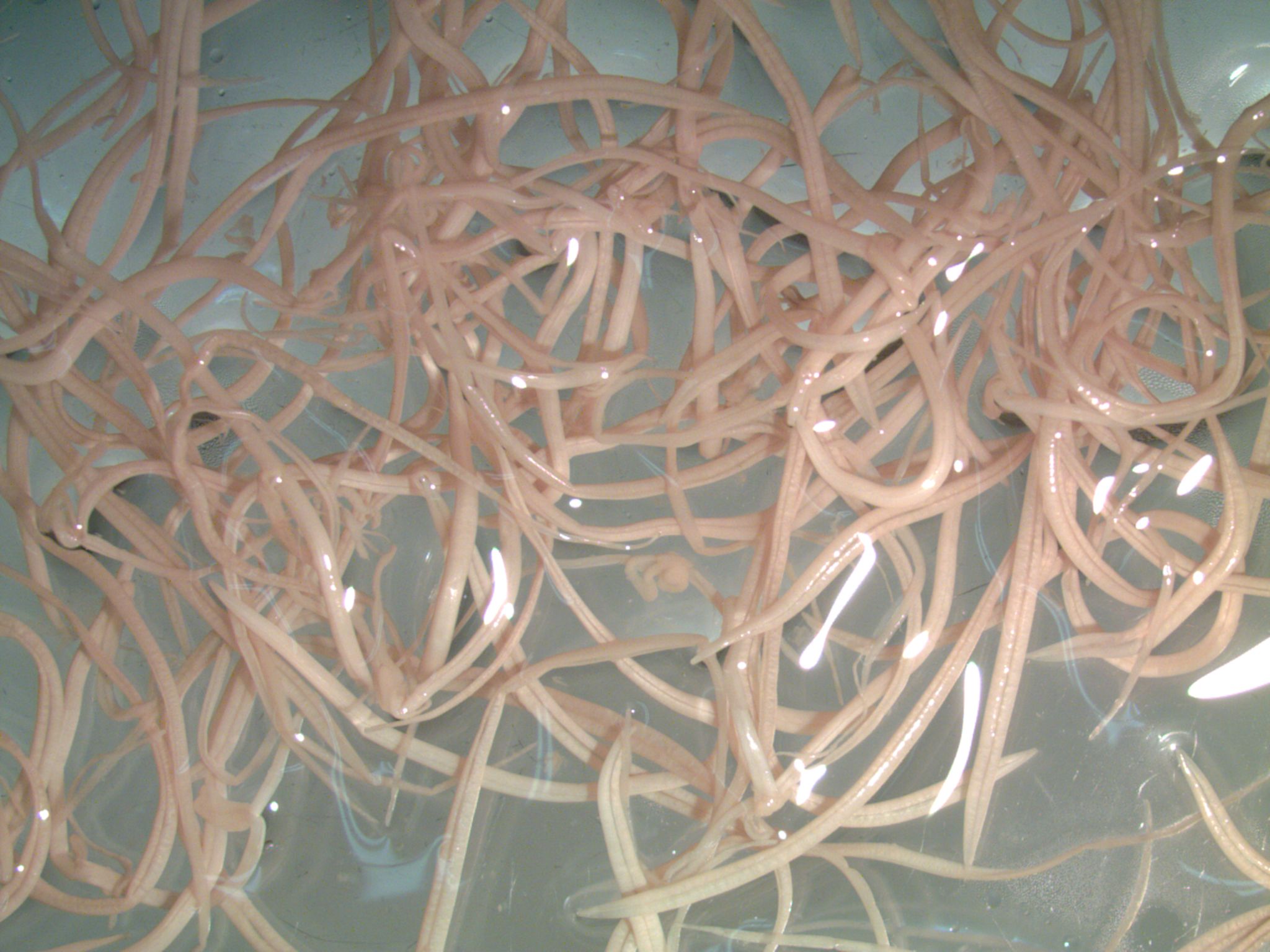
This parasite is Stenurus minor! Most often found in the cranial sinuses and lungs, it is likely that cranial sinuses are the definitive site for adult parasites to grow and thrive. S. minor infects the frontal sinuses more so than the ear sinuses but has been found in high numbers in the middle ear. It puts pressure on the tympanic cavity, the round window, and the oval window and plugs the middle […]
Marine Mammal Parasite of the Month- January 2022
This parasite is a lungworm and earworm in the family Pseudaliidae and it is the most common parasite in the ear of harbor porpoises in the Gulf of St. Lawrence, the Bay of Fundy, the French Atlantic, and the Baltic Sea. In general, this parasite is found in high densities. A limited number of studies […]
Marine Parasite of the Month Answer- December
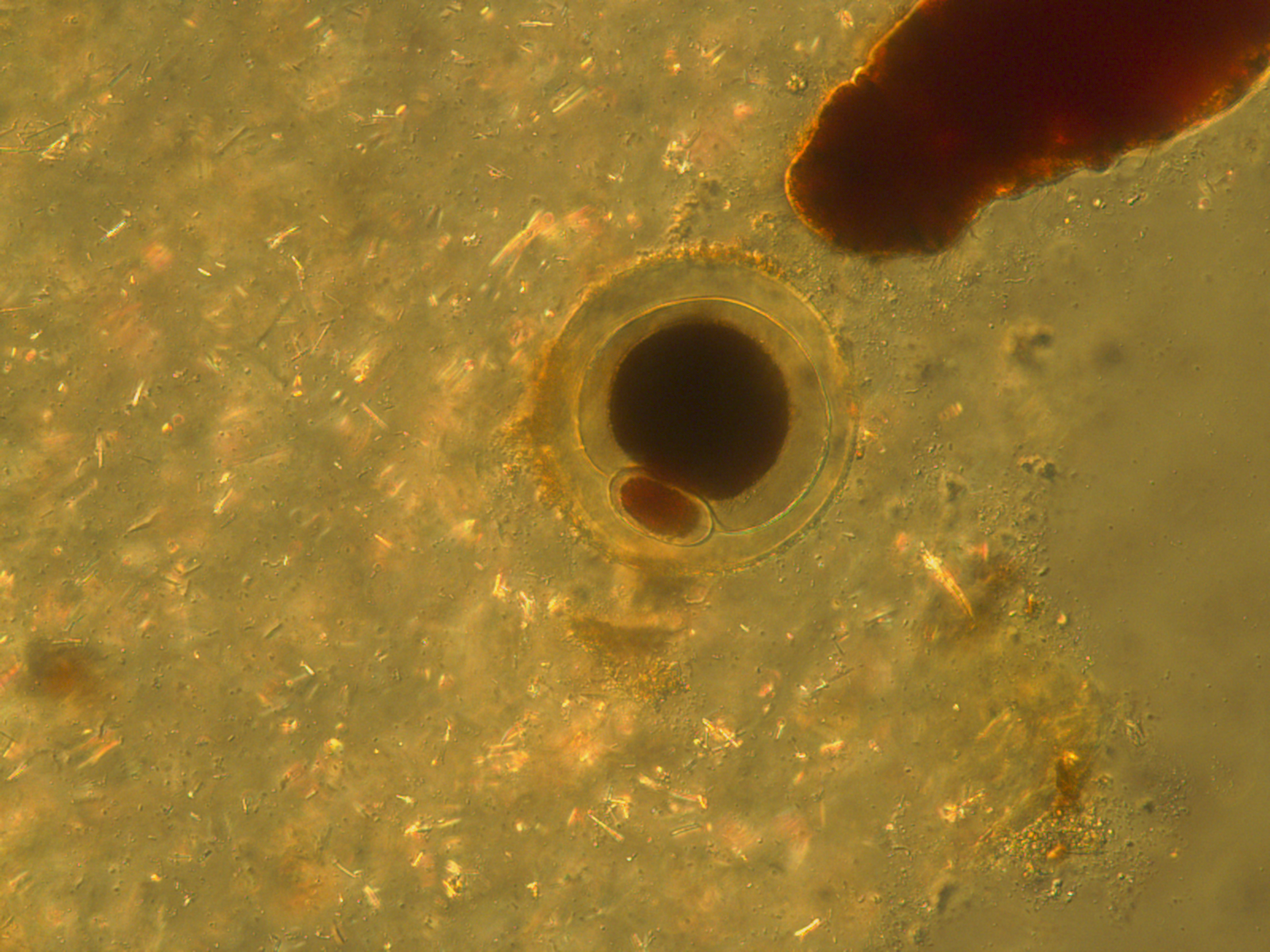
This parasite is Sulcascaris sulcata and it infects its host through their food( e.g. mollusks such as mussels and scallops). First, infected turtles pass the eggs of the parasite into the water through their waste products. The eggs are negatively buoyant, which means they sink to the bottom, and they are sucked up by the […]
Marine Parasite of the Month-December 2021
This nematode, or parasitic worm, is in the family Anisakidae and is the only species in the genus Sulcascaris. Most members of the family parasitize aquatic mammals, birds, and fish but this one parasitizes sea turtles including loggerhead, Kemp’s ridley, and green turtles of all ages. It’s been reported infecting turtles in shallow waters in […]
Marine Mammal Parasite of the Month Answer -November 2021
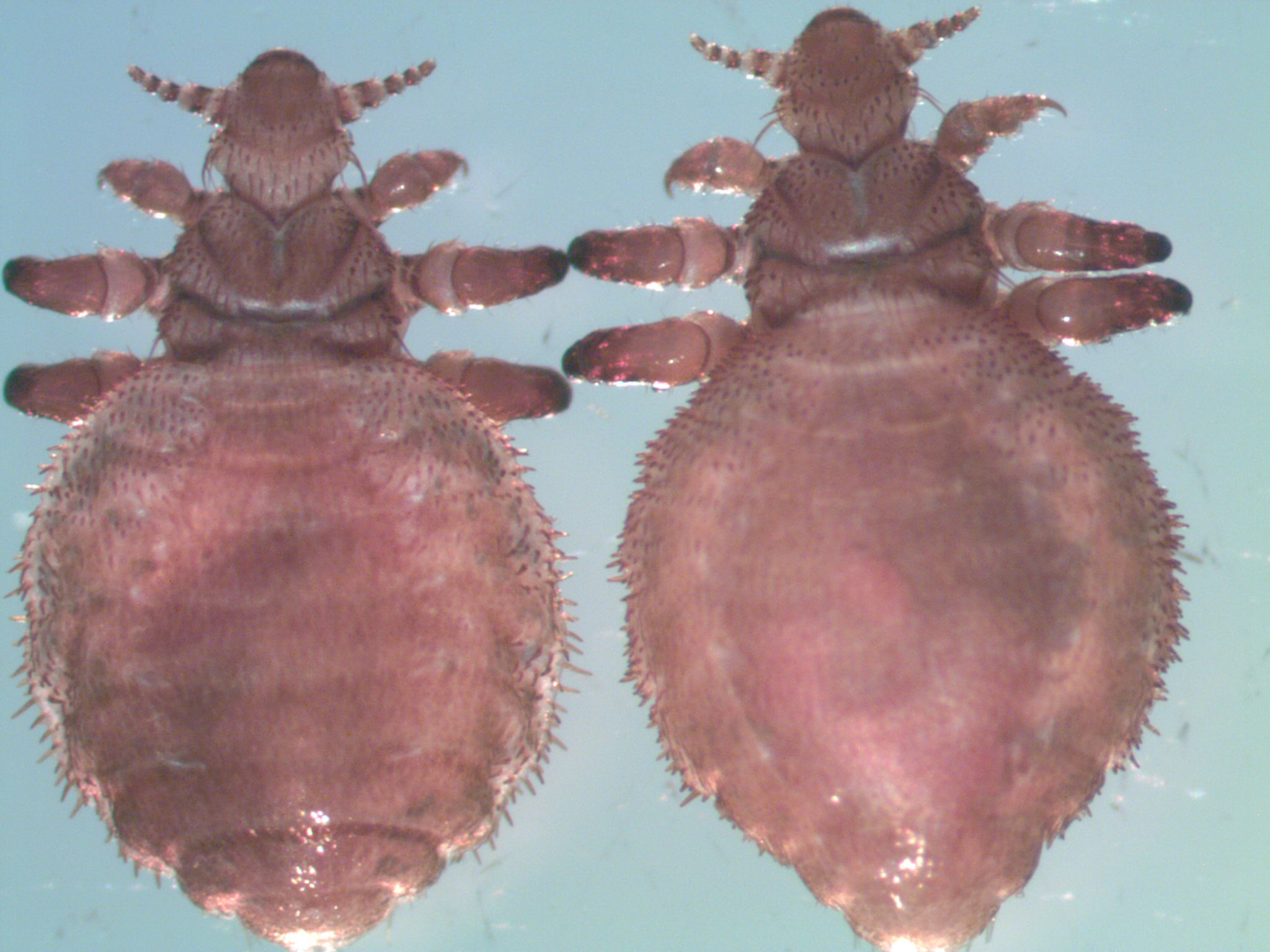
This parasite is Antarctophthirus microchir and it’s found in sea lions! It’s actually been found in 5 species of sea lion in Australia, New Zealand, North America, and South America. In pups, they are found on the chest and belly primarily, possibly because other areas are too exposed to the sun. Research on adult sea […]
Marine Mammal Parasite of the Month- November 2021
This parasite is an insect from the suborder Anoplura, which consists of sucking lice. Like other insects, they have antennae, a thorax, an abdomen, and legs. Unlike other insects, they have no eyes, and their mouth contains 2 rows of 4 large hooks. Their thorax is shaped like a trapezoid and covered in long hairs […]
Marine Mammal Parasite of the Month- October 2021 Answer
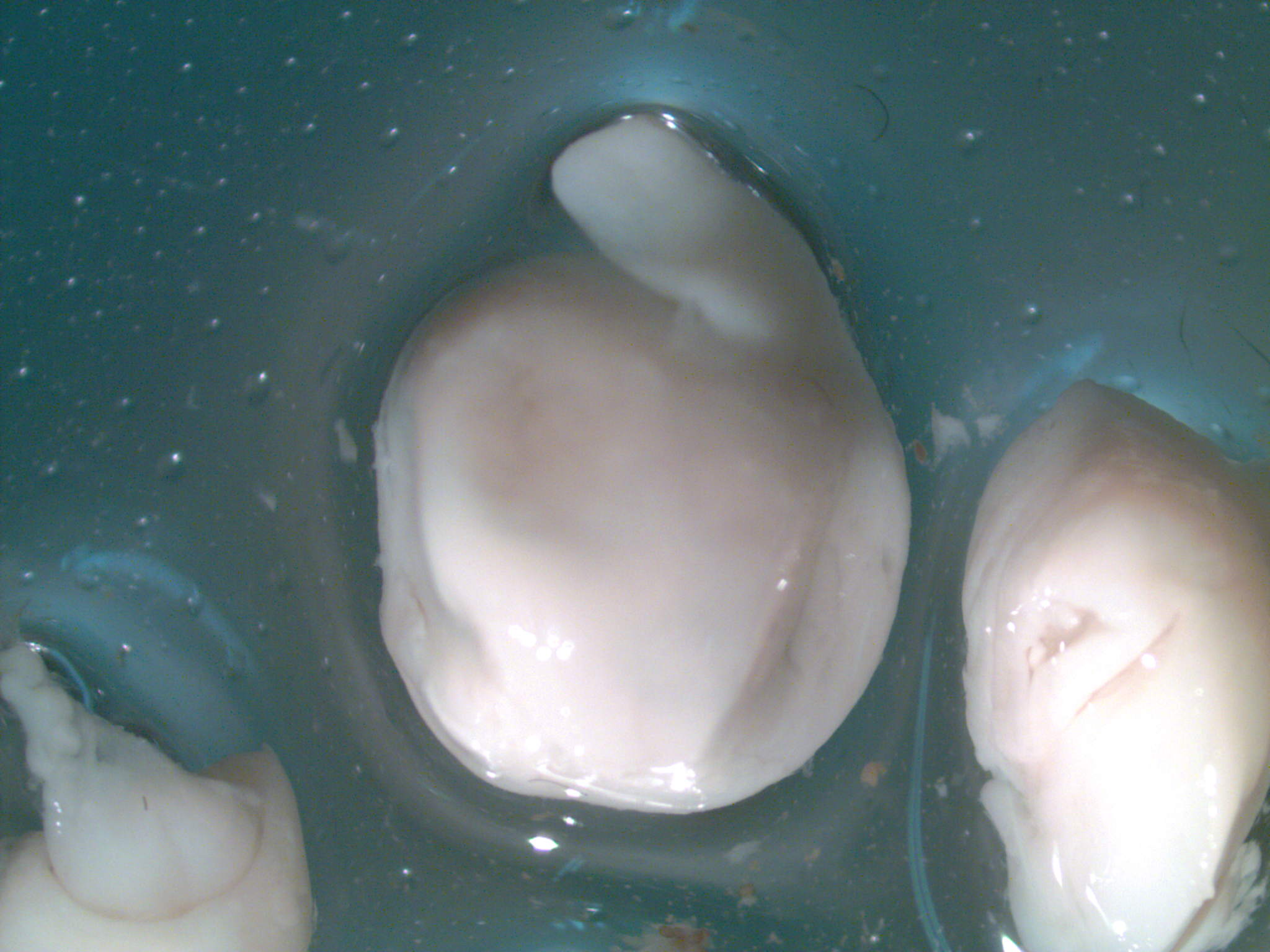
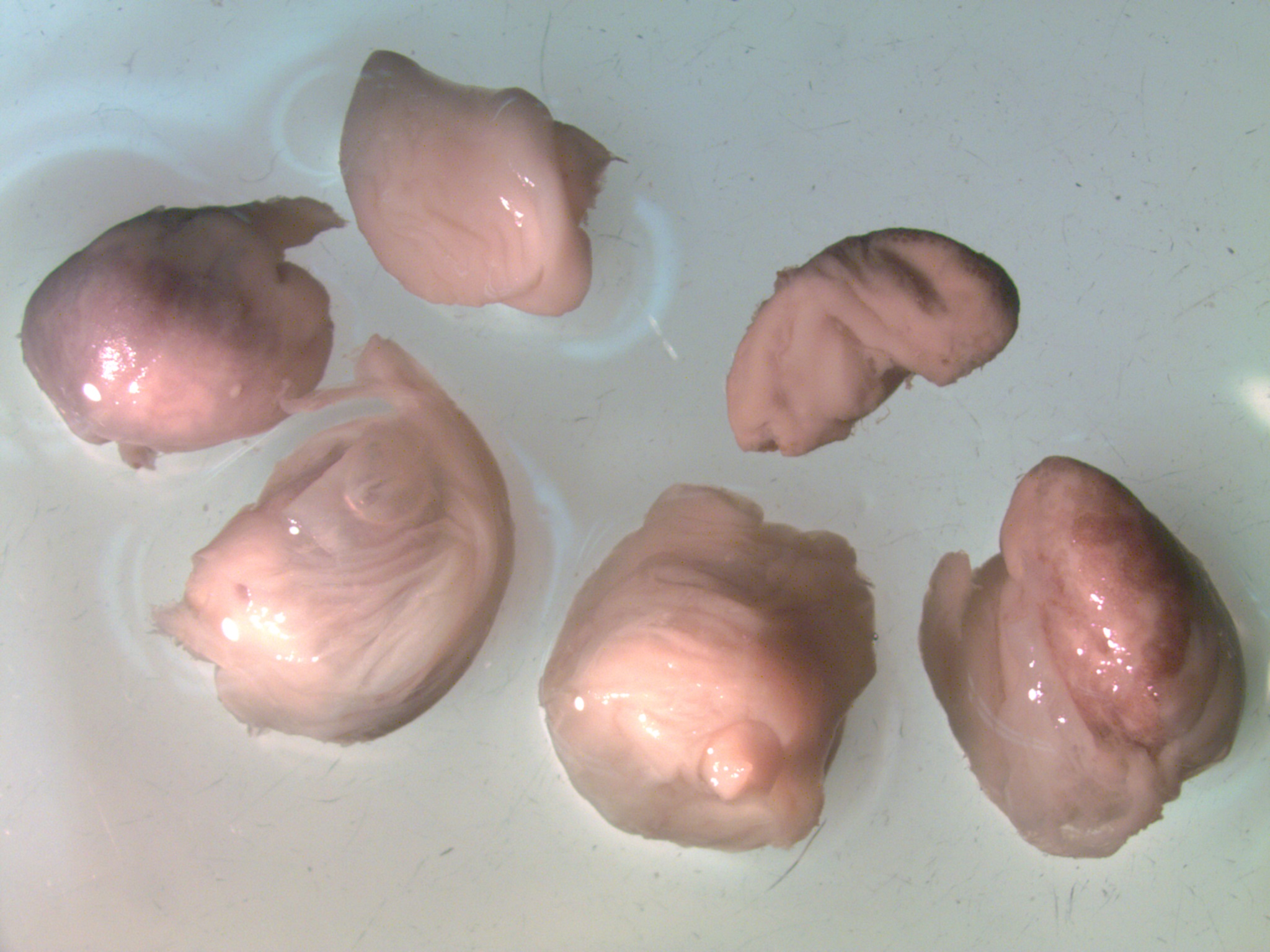
This parasite is Braunina cordiformis! Remember last time how we said it was heart shaped? Well, cordiform means heart shaped, so its scientific name is actually based on its shape! This parasite is the only species in the family Brauninidae and is found in the fundic (main) and pyloric stomachs and duodenal ampullae. It’s thought […]
Marine Mammal Parasite of the Month- October 2021
This parasite is a helminth, also known as a parasitic worm, in the Trematoda class. It’s classified as a flatworm called a fluke and is found in cetaceans, primarily those in the family Dephinidae. It been found in bottlenose dolphins, dusky dolphins, Commerson’s dolphins, short beaked common dolphins, tucuxi, estuarine dolphins, Chilean dolphins, rough-toothed dolphins, […]
Marine Mammal Parasite of the Month- August 2021 Answer
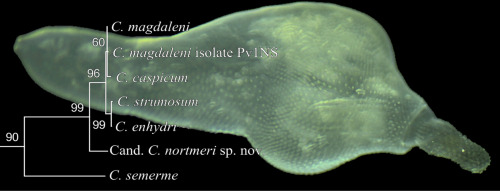
This month’s parasite was the Corynosoma enhydri, a member of the thorny-headed worm community that only has one definitive host, the sea otter. The only way to determine if a sea otter is infected is through a fecal diagnosis or through a necropsy since this parasite does not present any visual signs of infection in […]
Marine Mammal Parasite of the Month- August 2021
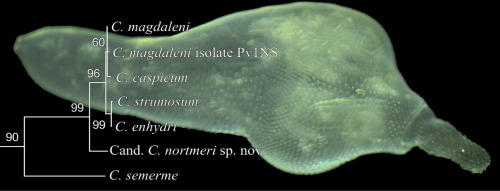
This marine mammal parasite is a part of the acanthocephalan family but only has one species for a primary host, the sea otter. This parasite is found in sea otters of all ages, the youngest being 1 month old. Since sea otters are introduced to solid food at around 3 weeks of age by their […]